Yaşar University (Izmir)
A student who puts Yaşar University on a shortlist has usually already looked at foundation universities in Istanbul and then turned to Izmir. The questions change. Is there a medical school? No. Three campuses? No — one site. Thousands of internatio
A student who puts Yaşar University on a shortlist has usually already looked at foundation universities in Istanbul and then turned to Izmir. The questions change. Is there a medical school? No. Three campuses? No — one site. Thousands of international students? No — a few hundred. So why look? Because most programmes run in English, the campus sits inside Bornova rather than on the city’s edge, and tuition stays in a single-digit thousand-dollar band instead of the health-faculty prices of Istanbul.
The university was founded in 2001 by the Selçuk Yaşar Sports and Education Foundation and took its first students in 2002–2003. Anniversary remarks speak of about 8,400 students, more than 21,500 alumni and a little over 400 international students from 49 countries. Other listings put total enrolment closer to ten thousand. The university’s own page in the application year is the figure that matters. This is not a campus where half the corridor is foreign. The international group is thinner and classes stay smaller. Nationality lists often show Iran, Russia, Kazakhstan, Germany, Azerbaijan and Bulgaria. That is a different corridor from the English-medicine route into Istanbul.
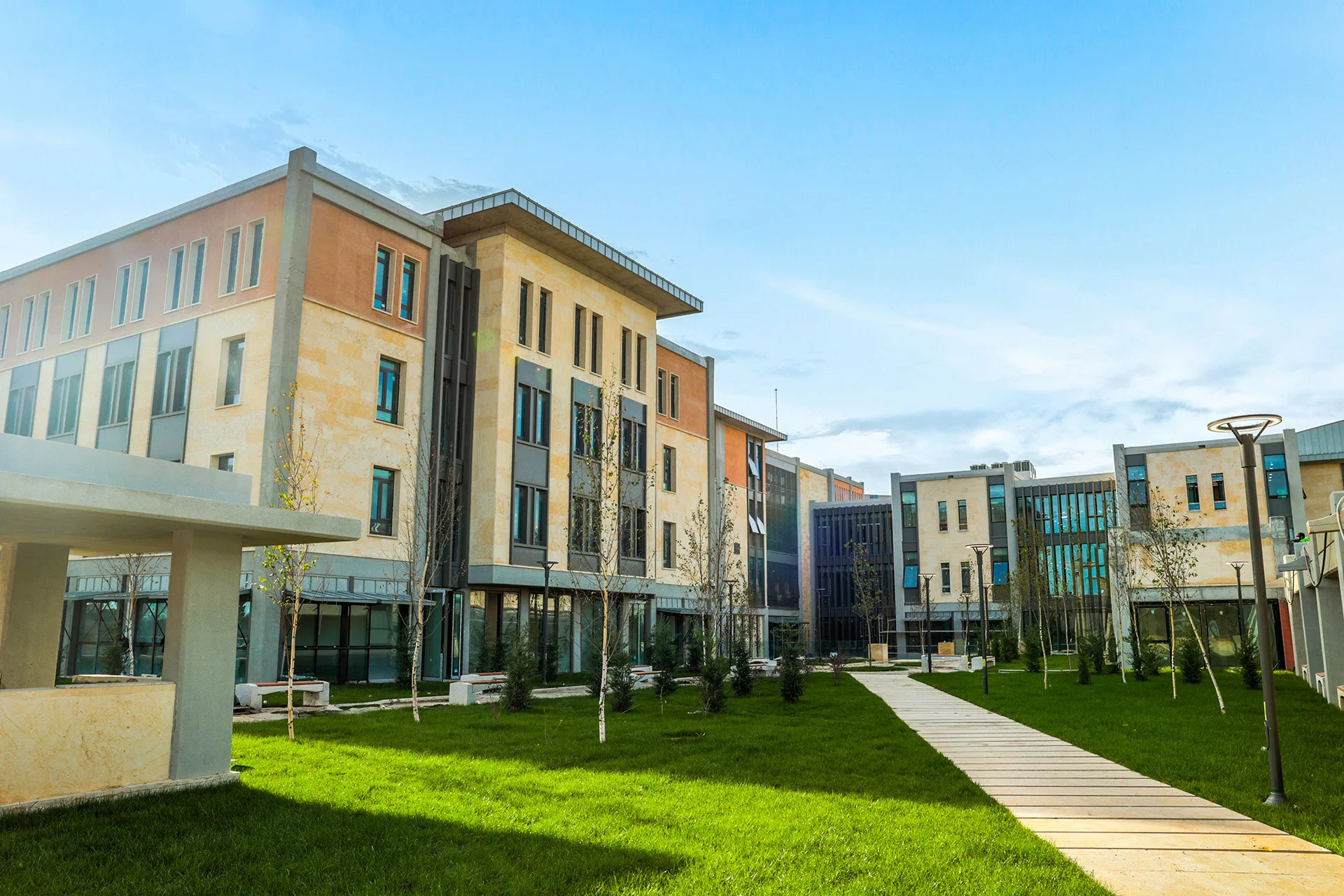
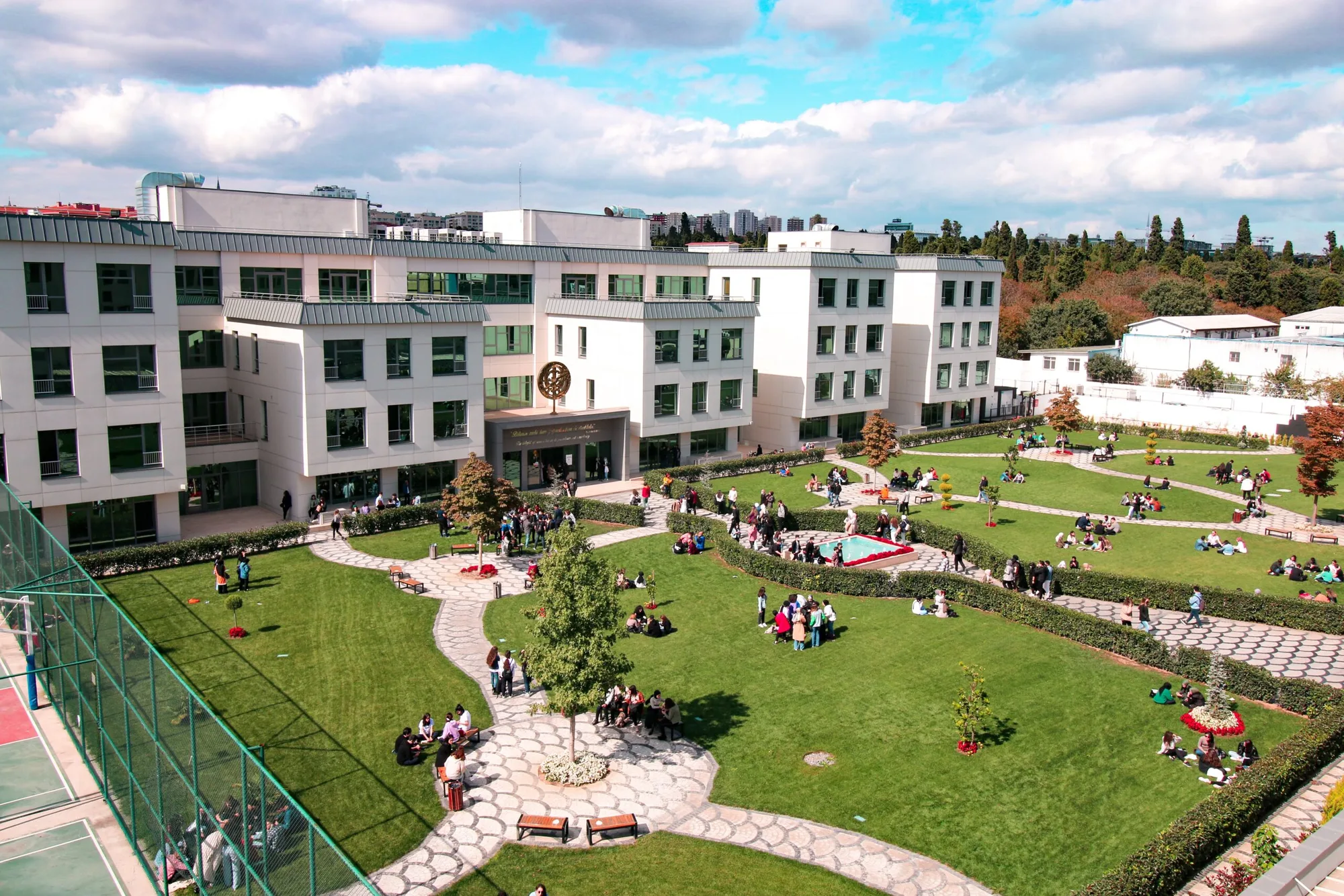
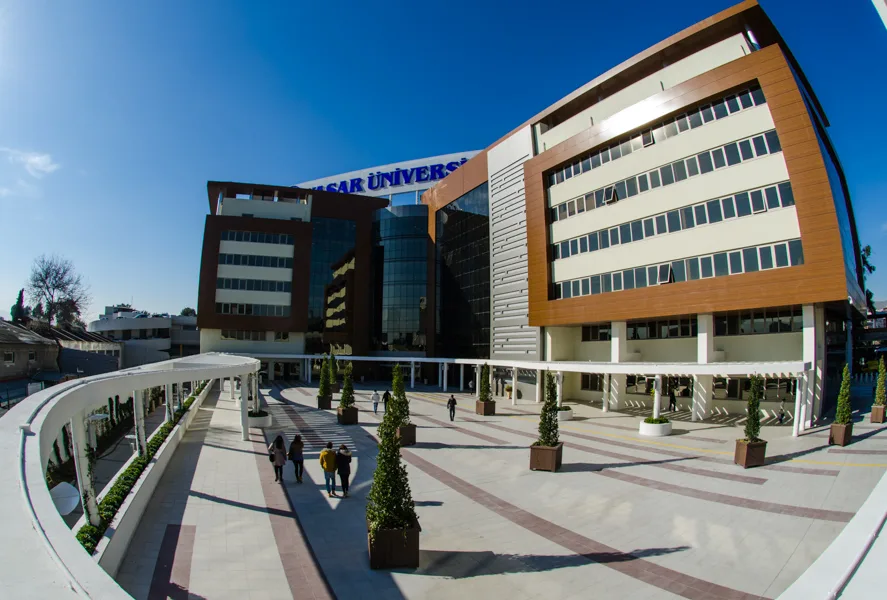
The campus is one piece: Selçuk Yaşar Campus, Üniversite Caddesi No: 37–39, Ağaçlı Yol, Bornova. It sits on the east side of Izmir, near the Ege University line, with a tram running past the site. There is no daily jump between three districts. Morning class, lunch hall and evening studio stay on the same plot. The university runs its own dormitory. For 2026–2027 a double room is listed at 272,500 TL a year plus deposit, a triple at 236,000 TL, breakfast included. Flats in Bornova and Kazımdirik are the other option. Living costs sit below Istanbul, and that is the number that actually changes a family budget.
Language is the selling line. Engineering is taught in English: electrical and electronics, industrial, mechanical, civil, software and energy systems. Business, economics, international trade and finance, logistics, international relations, psychology, English language and literature, new media, public relations, visual communication, radio-television-cinema, interior architecture and architecture are English-taught. Agricultural economics and agricultural machinery follow the same track. The exceptions are clear. Law, music, industrial design, cartoon and animation run at thirty percent English and seventy percent Turkish. Gastronomy is Turkish. “Everything is English” is therefore the wrong sentence; studio and law rooms carry a large Turkish share. If English is not enough, a preparatory year is billed separately. On the international tariff that year costs 8,000 dollars, the same as a bachelor year.
Official international fees are simple. Bachelor and applied sciences programmes are 8,000 dollars a year, vocational school 4,000, a master’s programme 7,200 in total, a doctorate 16,000 in total. A non-refundable placement fee of 1,000 dollars is charged on acceptance. Agency sheets and the official table often match here; the offer letter still binds. There is no medicine or dentistry bill in the twenty-thousand-dollar band. A family budget is four bachelor years plus a possible preparatory year plus Izmir rent.
Yaşar is not a medical university. That has to be said first. Its weight sits in engineering, architecture, communication, business, design and agricultural technologies. Erasmus and exchange ties are active. The decision question is blunt. Does the student want English-taught engineering or social sciences in Izmir, or English-taught medicine in Istanbul? If the second, this door is wrong. If the first, one campus, a flat bachelor fee and a Bornova address are a rational list. Before enrolment three papers are enough: that year’s international fee page, the placement line on the offer letter, and the campus address with dormitory capacity.
Education Level
4 Education Level • 60 Programs