Altınbaş University (Istanbul)
A student who puts Altınbaş University on a shortlist usually starts with the same three questions. Is the campus actually inside Istanbul, or does the city name hide a far-off district? Is the published tuition the real figure, or does the total cha
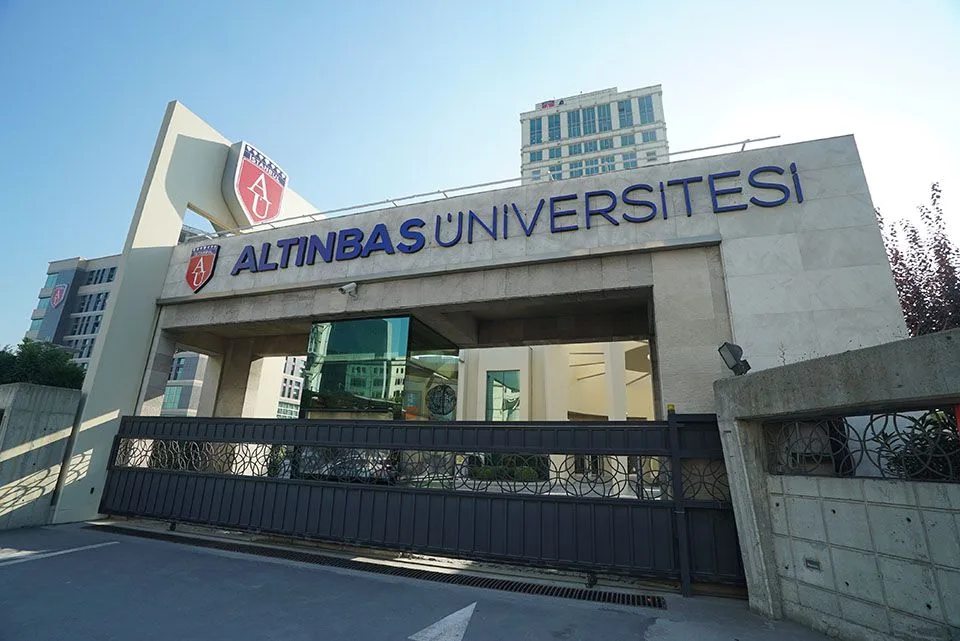
A student who puts Altınbaş University on a shortlist usually starts with the same three questions. Is the campus actually inside Istanbul, or does the city name hide a far-off district? Is the published tuition the real figure, or does the total change after a deposit and a discount? Will the diploma work when the student goes home? The university sits at the crossing of those three questions, which is why it appears so often in searches. It was founded in 2008 as Istanbul Kemerburgaz University and took its current name in 2017. It is a foundation university. Ten faculties, a graduate institute and vocational schools cover associate, bachelor, master and doctoral study. The official international page puts total enrolment a little above ten thousand, alumni above sixteen thousand, and the programme count above one hundred and thirty. Those figures move each year; they should be checked again on the university’s own statistics page at the time of application.
The real distinction is the international share. The university reports more than six thousand foreign students and more than one hundred and five nationalities. In the Council of Higher Education’s 2024 monitoring report, the international student ratio sits around 48.5 percent and ranks first in Türkiye. This is not a campus with a small foreign quota. Corridors, lab groups and dorm rooms are mixed by default. Socially that is an advantage. In clinical years, when patients speak Turkish, the same fact can turn into a problem. The university does not publish a ranked list of the top ten sending countries. The pattern on the ground is still clear. Students from the Middle East, North Africa, the Gulf and Central Asia come for English-taught medicine, dentistry and engineering. Iraq, Egypt, Jordan, Libya, Palestine, Yemen and Sudan appear together with questions of degree recognition. Students from Africa and South Asia travel the same corridor. The practical result is simple. In an English-taught class most classmates are from abroad, so Turkish does not arrive by itself. In dentistry and medicine, bedside language from the second year onward is Turkish. An English programme does not make the hospital English.
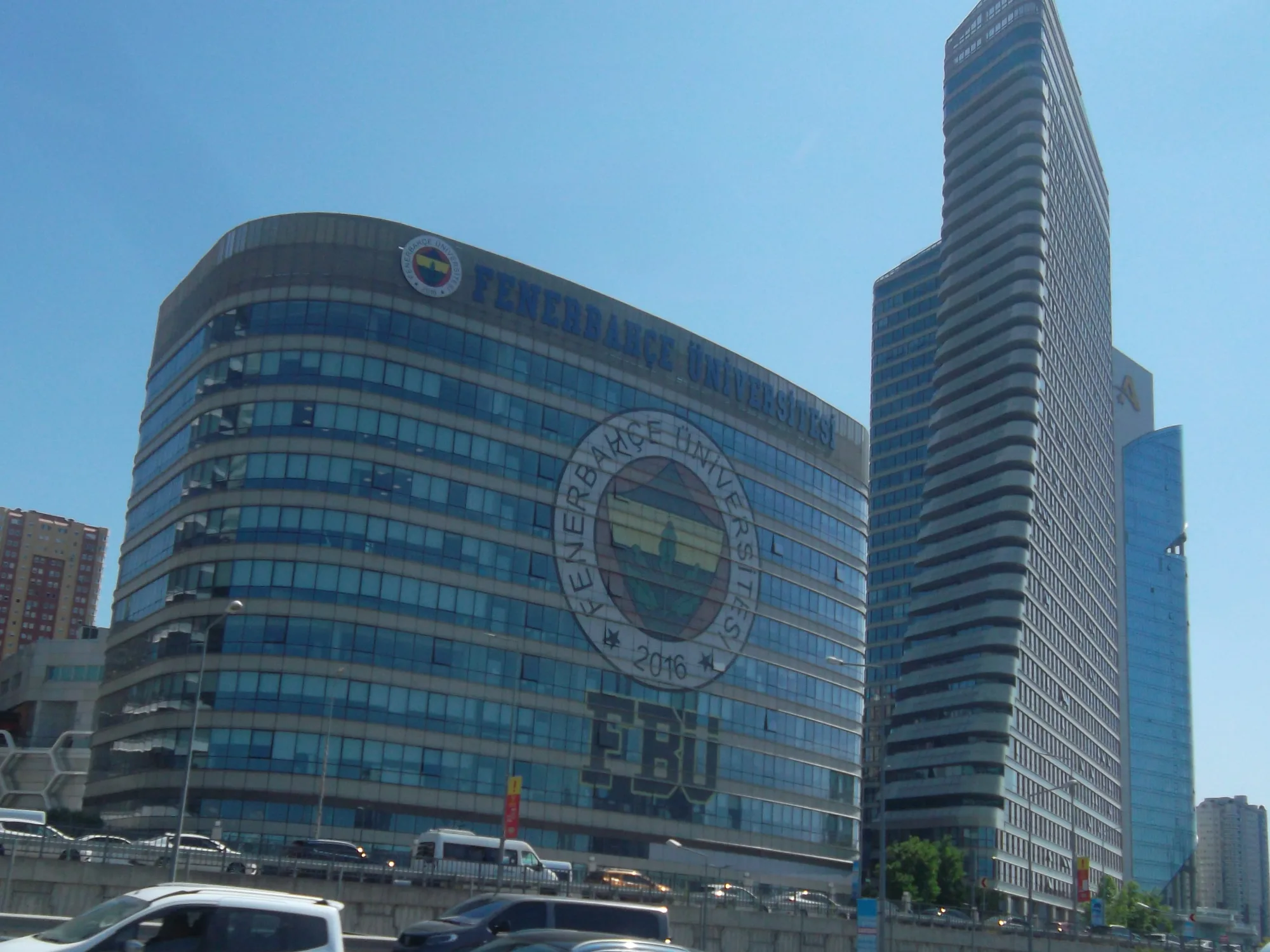
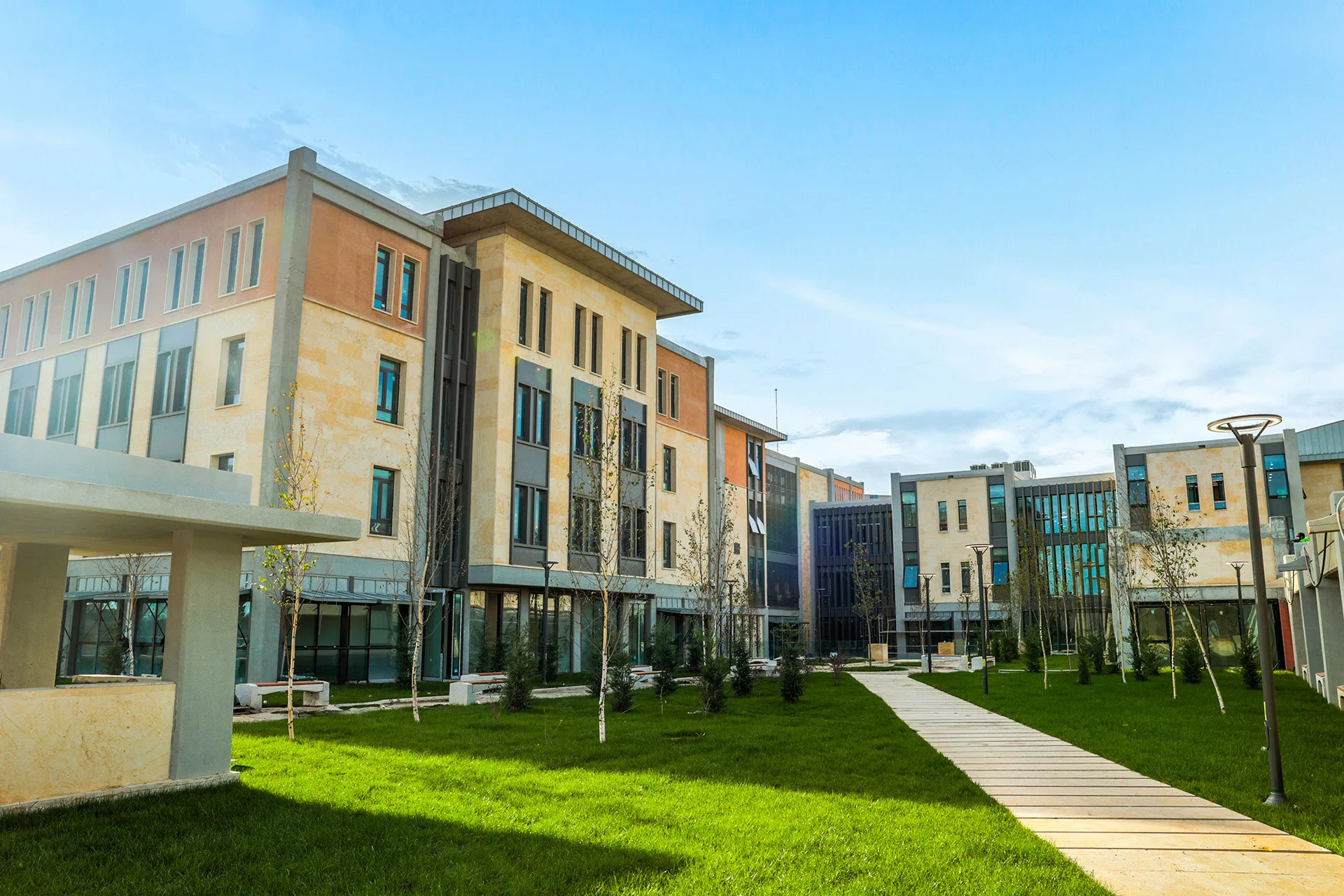
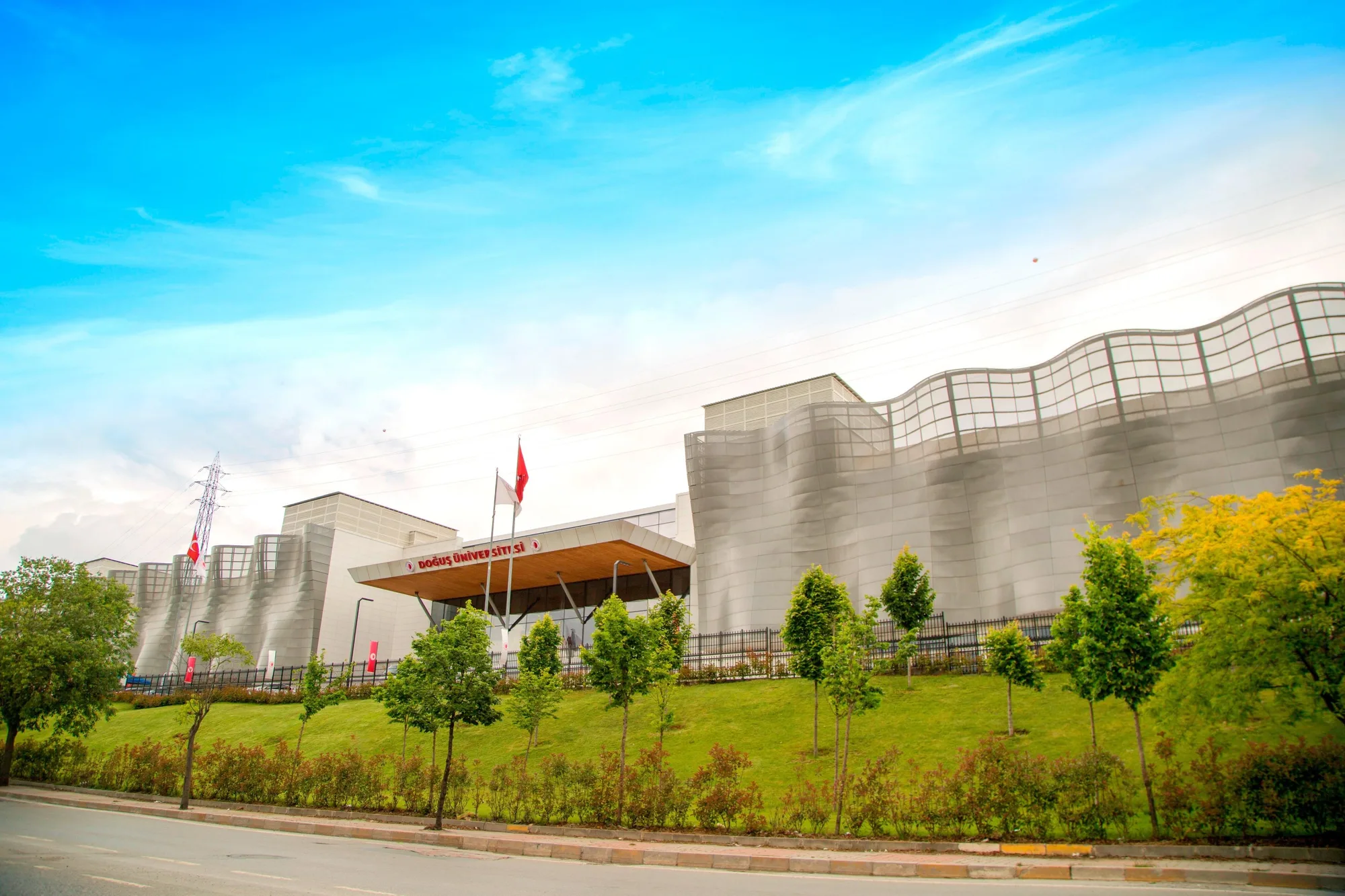
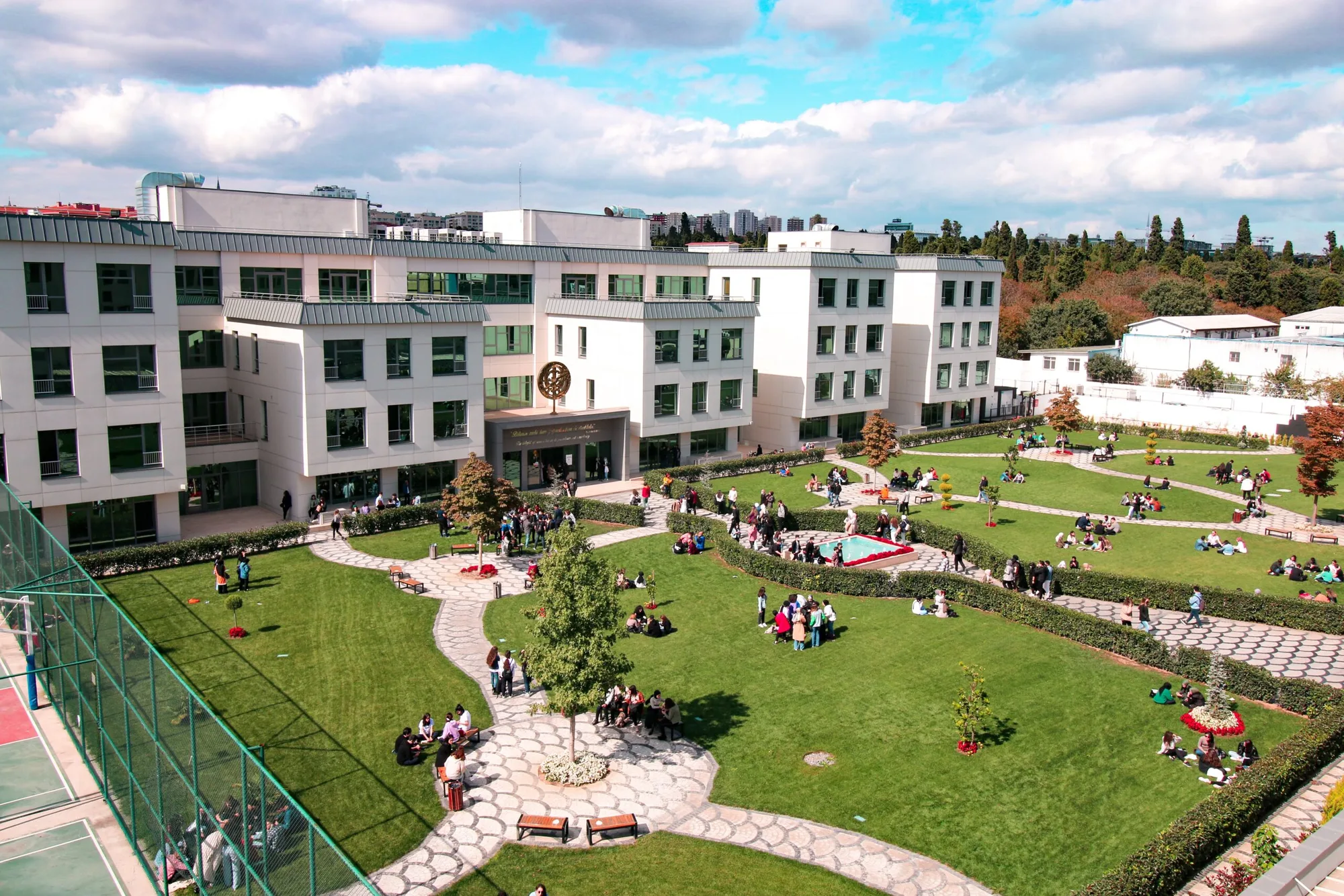
Altınbaş is not one closed campus. There are three sites, three districts and three transit lines. A student who enrols without seeing this spends the first month on the road. The Mahmutbey Technology Campus is in Bağcılar. Engineering, laboratories, the vocational school and the foreign languages unit sit there. So does the university’s own dormitory. The metro is close, but the area mixes industry and housing. The Gayrettepe Social Sciences Campus stands on Büyükdere Avenue. Law, business, economics, design and the social sciences gather there, next to the Levent–Şişli business axis. The Bakırköy Health Campus is on İncirli Avenue. Medicine, dentistry, pharmacy and health vocational programmes are there, together with the dental hospital and clinical training. For a health student this is the real campus. The working rule is plain. If the choice is medicine, dentistry or pharmacy, housing should sit on the Bakırköy line. Engineering belongs in Mahmutbey. Law and business belong in Gayrettepe. Crossing all three campuses every week is not a plan; it is fatigue.
English-taught programmes are the main reason international students put Altınbaş on the list. Medicine is taught in English. Pharmacy is taught in English. Computer, electrical-electronics, industrial and software engineering run in English. So do business, psychology, sociology, international relations, and trade and finance. Law includes a joint Turkish-German track with Cologne. Dentistry is the exception: about thirty percent English and seventy percent Turkish. A student expecting fully English dentistry is looking at the wrong door. Nursing, midwifery, gastronomy and most health associate degrees remain in Turkish. If English is not sufficient, a preparatory year is added. Some home-edition language tests may not be accepted. The language line on the offer letter comes before any brochure sentence.
Tuition splits into two worlds. There is no single average fee. On the 2025–2026 international tariff, English medicine is listed at 25,000 dollars, with discount and cash steps at 22,500 and 21,250. Dentistry is listed at 22,000, commonly 19,800 after discount and 18,700 cash. Pharmacy can move from a 12,000 list price into the 10,200–10,800 band. Law is around 6,500. English engineering and many bachelor programmes fall from a 5,000–6,000 list into a 4,000–5,000 band. Health associate degrees sit near 2,500. A typical master’s programme fee is around 6,000; clinical dental master’s programmes reach 16,200, clinical psychology 25,000. Doctoral fees are near 10,000 in general fields and 20,000–25,000 in clinical dentistry and pharmacy. An international bachelor student outside health usually stays in the 4,000–6,000 dollar range. Medicine, dentistry or pharmacy moves the student into 10,000–25,000. Deposits are a separate line. An agency package and the university’s official table for that year are not always the same row. What binds is the annual fee, discount and payment calendar on the offer letter. A university dormitory exists in Mahmutbey. Bakırköy and Gayrettepe have no university dormitory of their own.
Medicine is six years, English-taught and based in Bakırköy. Among foundation universities the fee sits below the top band. In clinical years patients speak Turkish. Hospital partnerships may not stay at the same address every year. Scholarship seats are few. ÖSYM base scores belong to domestic placement; they do not show the international quota. The full cost is six years plus a possible preparatory year, placements and Istanbul rent. Dentistry is five years. The university dental hospital in Bakırköy is a concrete advantage. Because the language mix is uneven, clinic talk is mostly Turkish. Paediatric dentistry, periodontology, aesthetic dentistry, prosthodontics and orthodontics are priced separately. The oral and dental health associate degree on the same campus is not an automatic bridge into the bachelor programme.
Altınbaş is a rational list for a student who wants English-taught health or engineering in Istanbul, a high international share on campus, and a three-site city model. It is the wrong door for someone who wants one closed campus, fully English dentistry, no travel between Bağcılar and Bakırköy, or a medicine budget built on a 4,000-dollar average bachelor fee. Before enrolment three documents are enough: that year’s official fee table, the discount and deposit line on the offer letter, and the campus address with the housing fact.
Education Level
4 Education Level • 73 Programs