Dogus University (İstanbul)
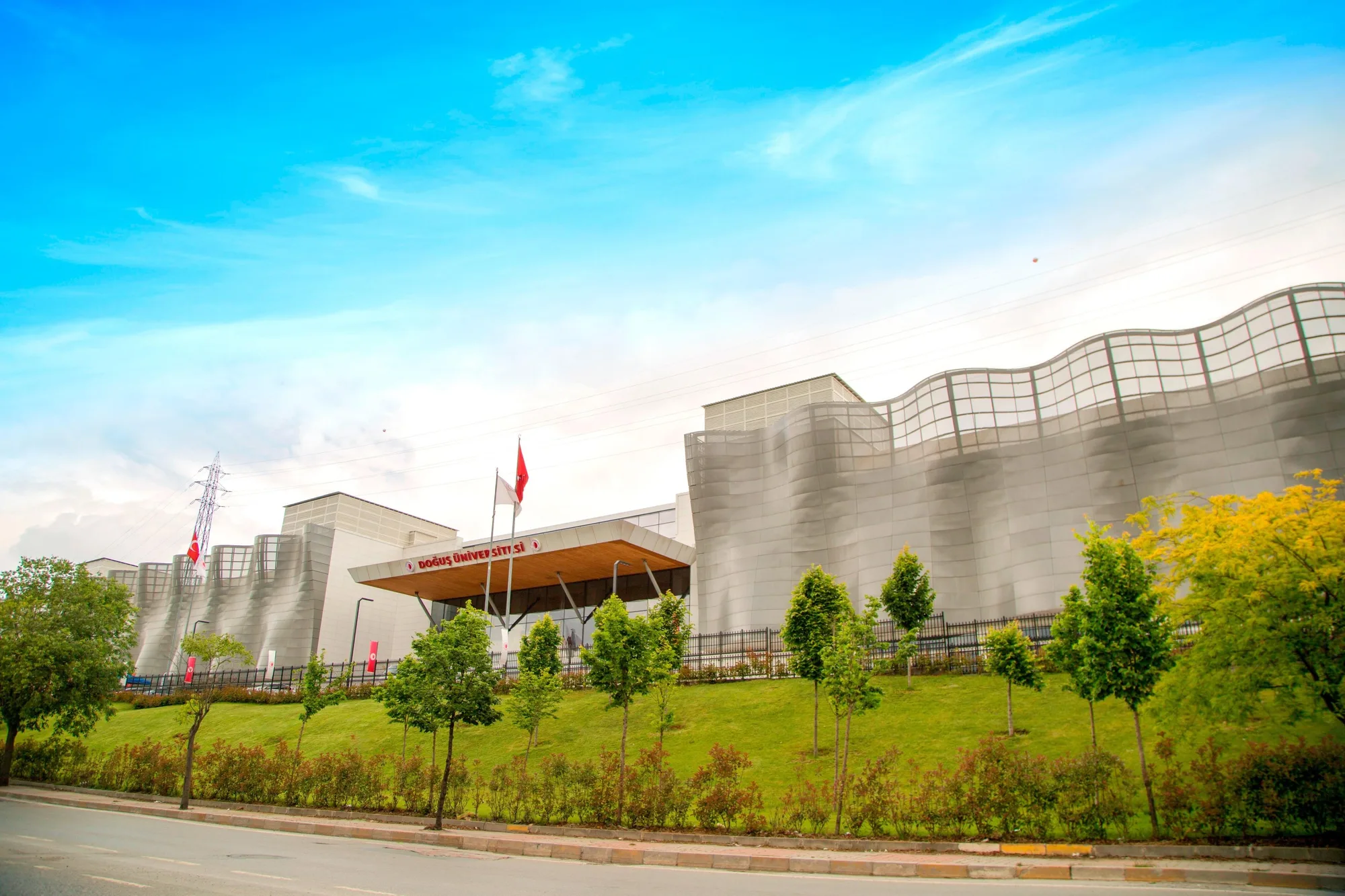
Study in Istanbul: An International Student Guide to Doğuş UniversityDoğuş University is a foundation (private non-profit) university established in 1997 on the Asian side of Istanbul. Teaching takes place on two campuses: Dudullu in Ümraniye and
Study in Istanbul: An International Student Guide to Doğuş University
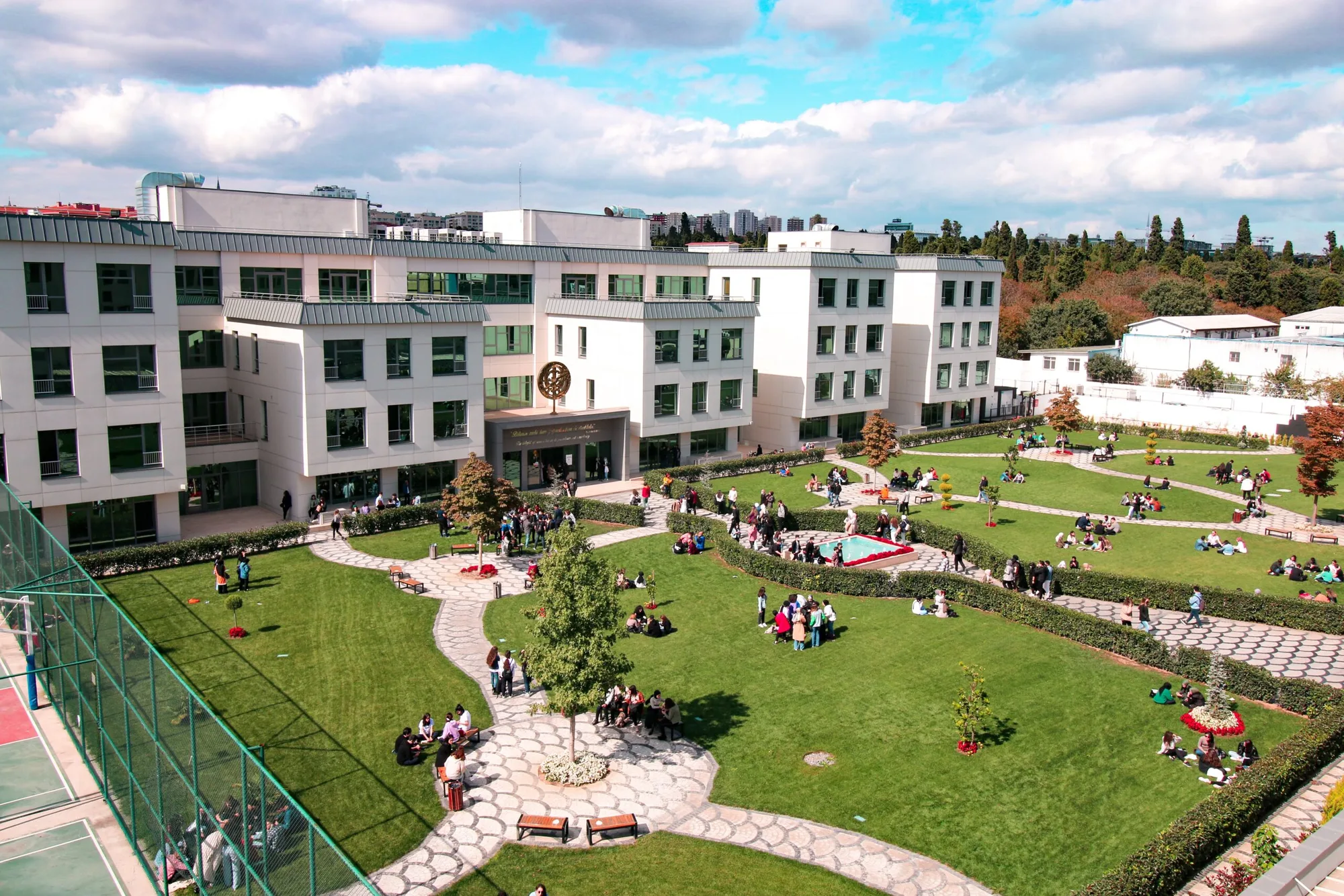
Doğuş University is a foundation (private non-profit) university established in 1997 on the Asian side of Istanbul. Teaching takes place on two campuses: Dudullu in Ümraniye and Çengelköy in Üsküdar. The university offers fee-free online applications for international candidates, support with visa and residence-permit steps after admission, and degrees framed within the European Higher Education Area.
Official candidate pages report about 17,000 active students, 530+ academic staff, 31 bachelor’s departments, around 36 associate-degree programmes, dozens of master’s and doctoral programmes, 60+ student clubs and six research centres. Graduate numbers are published in the 17,000–25,000 range depending on the page.
Why international students choose Doğuş
Quality mark. Doğuş states it is the first university in Türkiye to receive ACQUIN institutional accreditation, valid until September 2032. That means an independent European quality agency reviewed the institution as a whole.
Location that works for internships. Dudullu sits next to an organised industrial zone. Engineering, software, logistics and business students can turn that geography into internships and first jobs more easily than on a purely downtown campus.
Erasmus+ and global partners. The university lists more than 100 partner universities in about 20 European countries, plus 30+ memoranda of understanding worldwide. Students may apply for one or two semesters of study abroad or a grant-supported internship.
Free double major and minor for students who meet academic rules.
Innovation space. The DOU-BWI Hub supports student projects and early-stage entrepreneurship.
No application fee. Apply at apply.dogus.edu.tr. Decisions typically arrive in about two weeks.
Language pathways. English-medium programmes accept TOEFL iBT 72, PTE Academic 55 or the university’s own exam (DÜİYES). Turkish-medium programmes normally require TÖMER B2; a preparatory year is available.
Recognition. Because Türkiye participates in the Bologna Process, transcripts use ECTS credits and diplomas can enter recognition procedures in EU countries. Recognition is still decided country by country.
Programmes
Instruction is in Turkish and English. Frequently requested bachelor’s fields include:
- Engineering: Computer Engineering (English), Software Engineering, Electrical-Electronics Engineering, Industrial Engineering (TR/EN), Mechanical Engineering (TR/EN), Civil Engineering.
- Business and social sciences: Business Administration (TR/EN), Economics (TR/EN), International Relations (English), International Trade and Business (English), Political Science and Public Administration, Management Information Systems.
- Arts and sciences: Psychology (TR/EN), English Language and Literature, English Translation and Interpreting, Communication Sciences, Sociology.
- Law (Çengelköy campus).
- Art and design: Digital Game Design, Industrial Design, Gastronomy, Graphic Design, Interior Architecture, Fashion and Textile Design, Acting.
- Health: Nursing.
Associate degrees (two years) cover areas such as foreign trade, computer programming, tourism, child development and emergency care. Graduate schools offer thesis and non-thesis master’s degrees in business, psychology, engineering, law and finance, plus a small number of PhD programmes.
Under YÖK rules, international intake for bachelor’s and associate degrees is generally fall semester only.
Tuition fees
Education is tuition-based. International fees are set each year by the Board of Trustees.
In recent public listings for international bachelor’s programmes, annual fees have commonly appeared in the USD 2,200–4,500 range, with English preparatory school sometimes listed around USD 3,000–3,500. These figures are not an official tariff. Confirm the current price, payment plan and any scholarship on the university website or with internationaloffice@dogus.edu.tr. Domestic YKS prices and international prices are different systems. There is no application fee.
Housing
Doğuş does not operate its own on-campus dormitory. Students use private halls near Dudullu or Çengelköy, state KYK dormitories (if eligible) or rented flats.
Private dorm prices in the area in 2026 commonly run from about TRY 18,000 to TRY 70,000 per month, depending on room type and location. The International Office can point you to options after admission; booking is the student’s responsibility.
International record and Erasmus
- ACQUIN institutional accreditation through September 2032.
- Erasmus+ study and traineeship mobility.
- 100+ European partners in ~20 countries and 30+ global MoUs.
- Additional partnerships such as an intensive English programme with Rowan University (USA).
- Industry links with organised industrial zones and Bilişim Vadisi.
Erasmus grants depend on the year’s project budget; selection is competitive.
How to apply
Typical undergraduate documents: high-school diploma, transcript, equivalency certificate, passport copy, language score if you have one. Documents must be in Turkish or English (or notarised translation).
Path: online application → evaluation (~two weeks) → acceptance letter → student visa if required → arrival → registration and residence permit. The International Relations Office assists with the residence permit.
Students holding a student residence permit may work part-time under Turkish labour rules (usually after the first year for bachelor’s/associate students; immediately for graduate students). Valid health insurance in Türkiye is mandatory.
Education Level
4 Education Level • 77 Programs