Kutahya Dumlupinar University
An international student looking at Kütahya does not start with campus photos. How much is tuition, is there a dorm, how do I get through the month, what if I do not speak Turkish, is the diploma actually a public-university degree? Kütahya Dumlupına
An international student looking at Kütahya does not start with campus photos. How much is tuition, is there a dorm, how do I get through the month, what if I do not speak Turkish, is the diploma actually a public-university degree? Kütahya Dumlupınar University is the kind of choice where those questions matter. It is cheaper than the big cities, but nothing is free. The figures below follow the official 2025–2026 tuition table and the 2026 student market in Kütahya. Amounts are converted at 1 USD = 50 TRY.
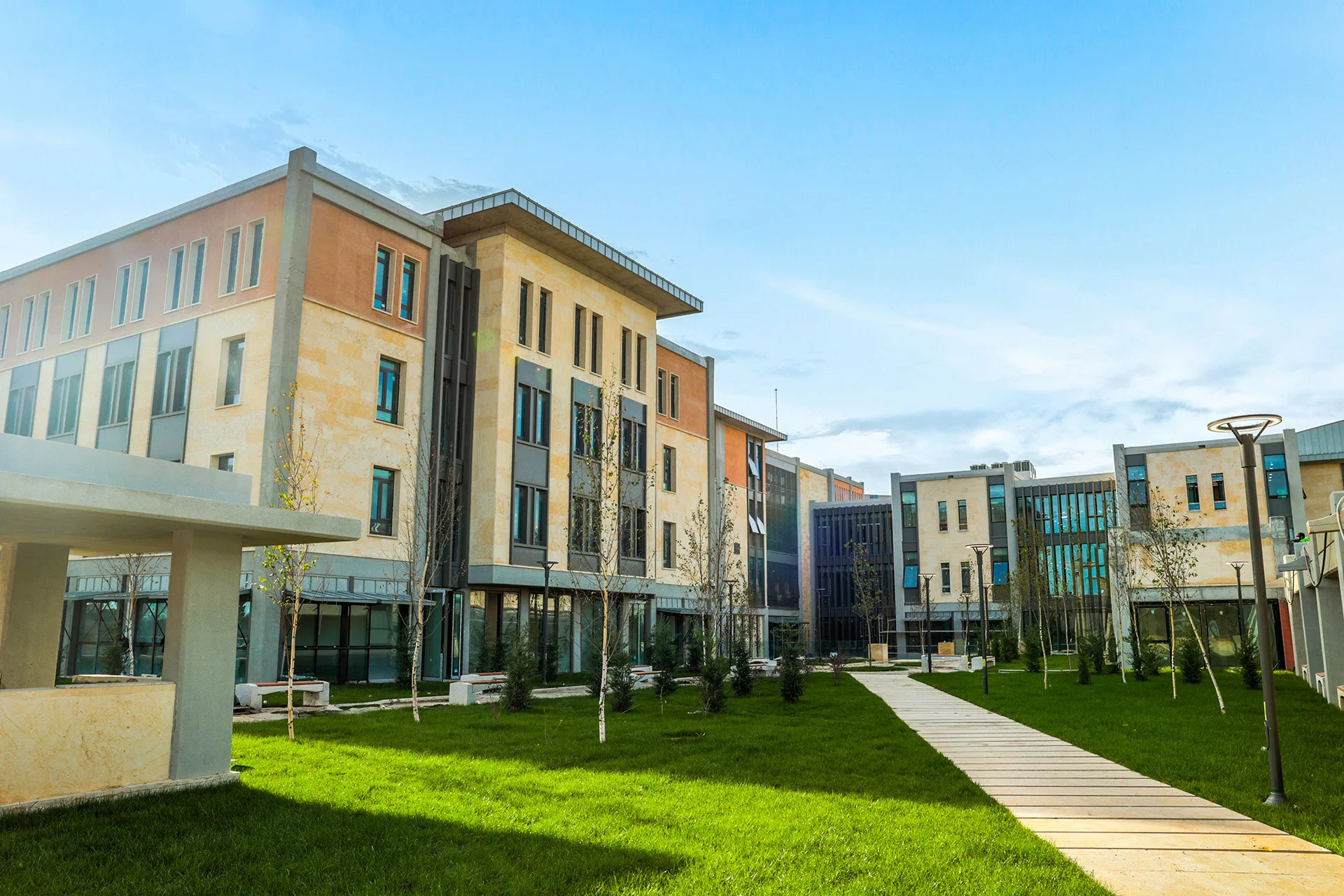
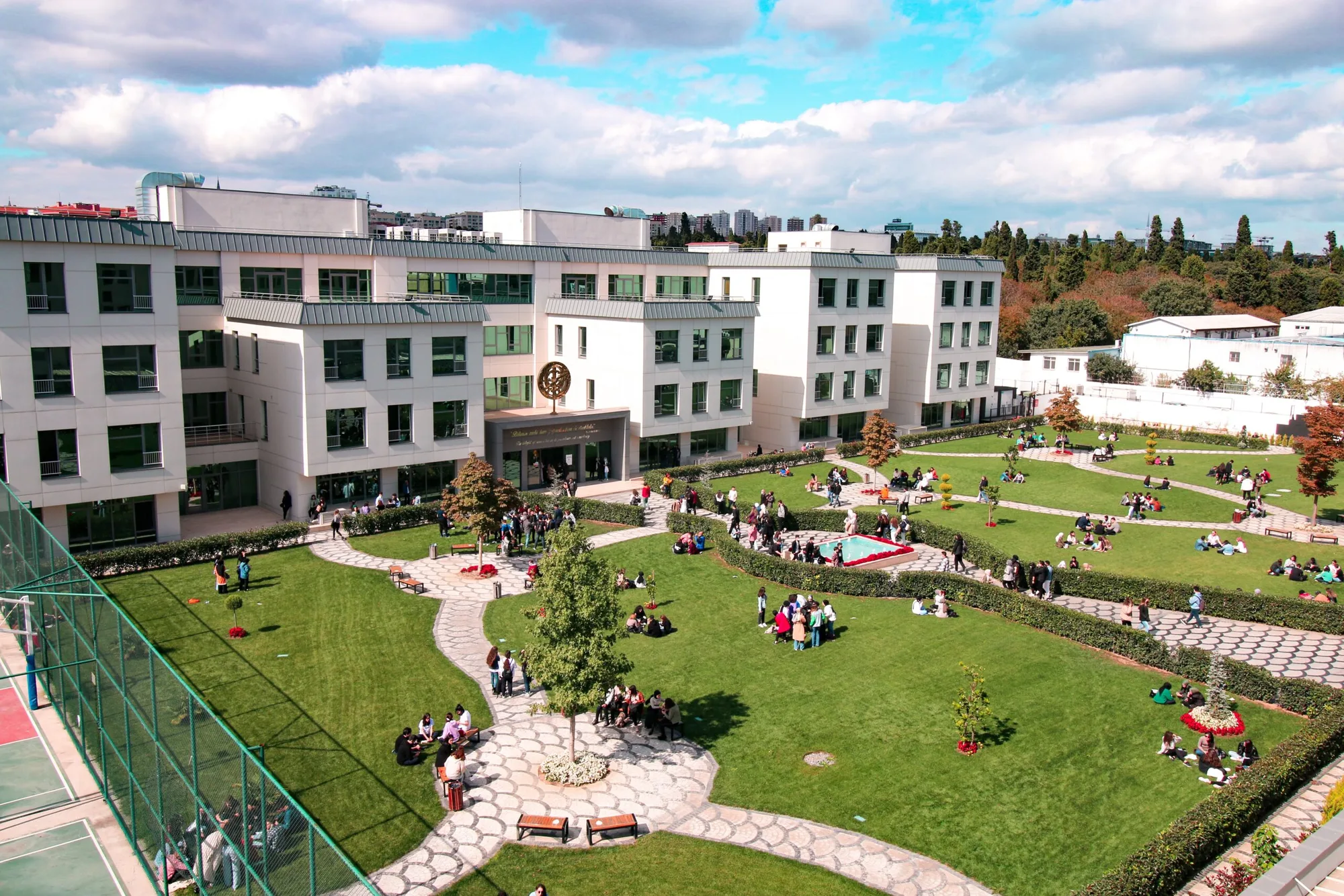
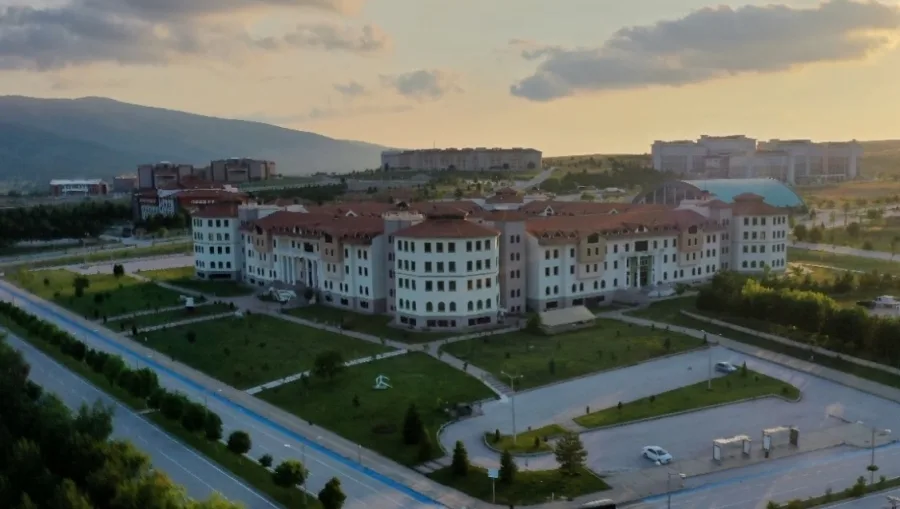
DPU is a public university founded in 1992. The main campus is Evliya Çelebi, on the Tavşanlı road, about 10–12 kilometers from the center. There are also units in Germiyan, Simav and Tavşanlı. The university itself puts total enrollment at about 45,000 and international students at about 7,000. Foreign students are not an exception here. The campus has an indoor area called Bedesten: a market, cafes, stationery. You do not have to go downtown every day. One point must be clear from the start: medicine and dentistry are not at DPU. Those programs belong to Kütahya Health Sciences University. Many overseas websites mix the two.
Applications usually open in February–March at iso.dpu.edu.tr and yos.dpu.edu.tr. Extra rounds can open during the year. Accepted credentials include TR-YÖS (150–500), SAT I (minimum 1000–1100), Abitur, a high-school diploma (at least 50/100 or 2.5/5), IB and TQDK (400–700). You can also apply with the diploma alone. A TR-YÖS score ranks more strongly. Azerbaijani students can apply with TQDK. You may apply without Turkish; preparatory Turkish is taught at TÖMER before the degree starts.
For international students enrolled from 2023–2024 onward, annual tuition is roughly: vocational schools 400 dollars, social departments in Arts and Sciences 480 dollars, education, theology, applied sciences and sports 520 dollars, Economics and Administrative Sciences 580 dollars, science departments 640 dollars, engineering, technology and architecture 760 dollars, fine arts 960 dollars. The university does not give scholarships. There is no merit discount. A sibling discount may apply if a brother or sister studies at another public university in Türkiye. Tuition is paid by semester.
If you do not speak Turkish, the first year is TÖMER. On the 2025 tariff the full A1–C1 package is 1,000 dollars, A2 is 800, B1 is 600, B2 is 400 and C1 is 200 dollars. So the first year should be counted as tuition plus Turkish. For engineering that is about 1,760 dollars.
The university does not guarantee housing. There are three paths in the city: KYK state dorms, private dorms and rented flats. KYK is the cheapest. On the 2026–2027 tariff the top type is about 32 dollars a month. July and August are not charged. Ten months of housing come to about 320 dollars. A deposit is extra. Places are limited; an international student is not always placed. A backup plan is necessary. Private dorms in 2026 cover a wide range. An economy room starts at 140 dollars a month, the average is 260–280, and single rooms can exceed 400 dollars. Annual packages are 1,400–1,800 dollars for two or three people and 2,400–2,800 dollars for a single room. Rent in student areas around Germiyan and Atatürk Boulevard is 180–300 dollars for a 1+1 and 240–360 dollars for a shared 2+1. Sharing a flat with two or three people is usually cheaper than a private single room.
The university website puts single living at 700–900 dollars and shared living at 400–600 dollars. That is a private studio plus eating out. A more realistic figure: a frugal student with KYK and the cafeteria spends 160–360 dollars a month; a student with a private room and restaurant meals spends 500–660 dollars. A campus cafeteria meal in 2026 is discussed at 0.70–0.90 dollars. Transport with a student card is cheap; the campus is far from the center, so the bus is necessary. Winter is cold and snowy, so a coat is a real cost. For an engineering student who already has Turkish, one year is roughly 2,500 dollars with KYK and the cafeteria, 4,000 dollars with a shared private dorm, and 5,400 dollars with a single studio. If TÖMER is needed, add 1,000 dollars to the first year.
Kütahya is a quiet student city. It is known for tiles, thermal springs and nearby ancient Aizanoi. Nightlife is not like Istanbul. It suits a student who wants to study at a manageable cost. It can feel dull to someone who wants a waterfront and a crowd every night. Erasmus and Mevlana exchanges exist.
In practice the application needs a passport, diploma, transcript, apostille or legalization, a notarized translation, a biometric photo and an exam result if you have one. After admission come the invitation letter, the visa, entry to Türkiye and a residence permit within one month. The residence file needs a dorm or flat address. Without an address it does not move.
DPU fits a student who wants a lower budget than a megacity, a public diploma, and fields such as engineering, business, education, architecture, fine arts or applied sciences. It does not fit someone looking for English-taught medicine or dentistry, big-city pace, or a university guarantee of a scholarship and a dorm. Annual tuition is 400–960 dollars, TÖMER is 1,000 dollars, and KYK housing is about 320 dollars a year. With shared living, monthly costs can stay in the 160–360 dollar range. Exact figures should be checked on iro.dpu.edu.tr and iso.dpu.edu.tr.
Education Level
2 Education Level • 117 Programs