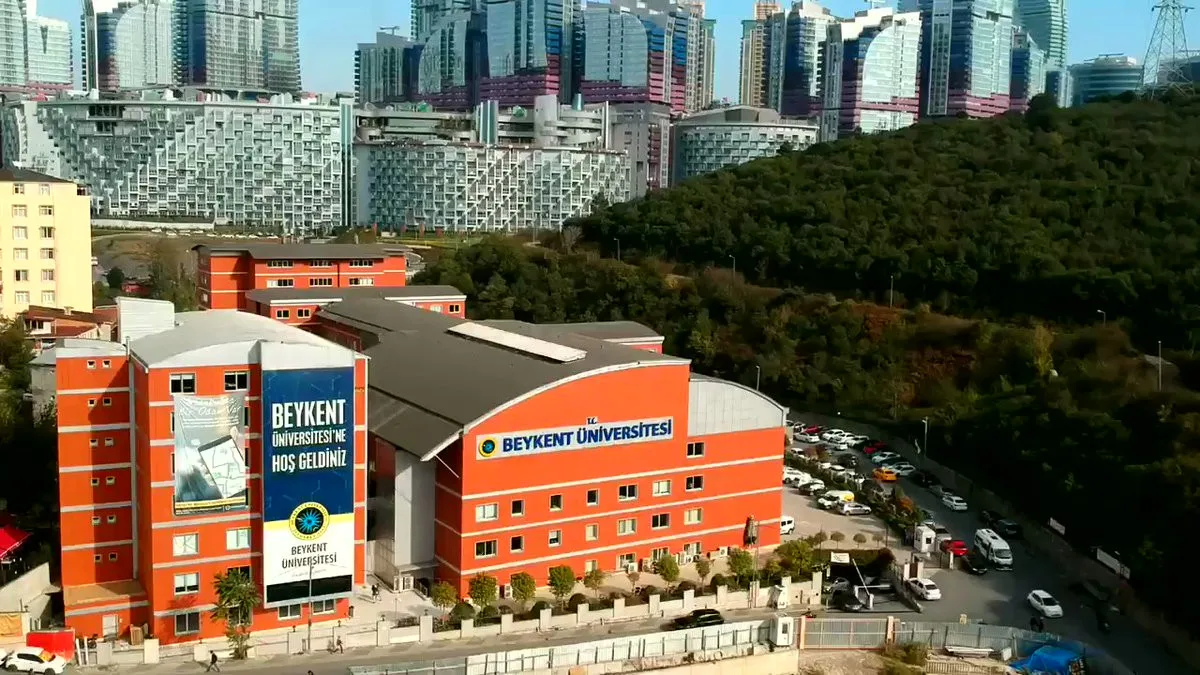
Istanbul Beykent University
Istanbul Beykent University 2026: International Student GuideKeywords: Istanbul Beykent University, Beykent international students, foundation university in Istanbul, Beykent medicine and dentistry tuition, Ayazağa campus, English-taught bachelor
Istanbul Beykent University 2026: International Student Guide
Keywords: Istanbul Beykent University, Beykent international students, foundation university in Istanbul, Beykent medicine and dentistry tuition, Ayazağa campus, English-taught bachelor’s in Turkey
A foreign student looking at universities in Istanbul usually asks the same three questions: where is the campus, what does tuition cost, and is the diploma useful? Istanbul Beykent University, founded in 1997, is a foundation (private non-profit) university. It is not a public university and does not sit in the Koç, Sabancı or Boğaziçi league. It is a four-campus option with a wide programme list and fees that are relatively accessible by Istanbul private-university standards.
Student numbers and international profile. The university reports about 30,000 students and 75,000 alumni. Official figures list 10 faculties, 64 bachelor’s programmes, 76 vocational-school programmes, 4 campuses and 105 student clubs. Study in Türkiye puts the previous academic year at about 27,000 (mostly associate and bachelor’s). International enrolment is around 1,500; Azerbaijan, Iran, Syria, Egypt, Afghanistan, Iraq and Central Asia stand out. There is an international classroom, but this is not a “half-foreign” campus. Teaching is in Turkish or English; there is also a Russian translation and interpreting programme.
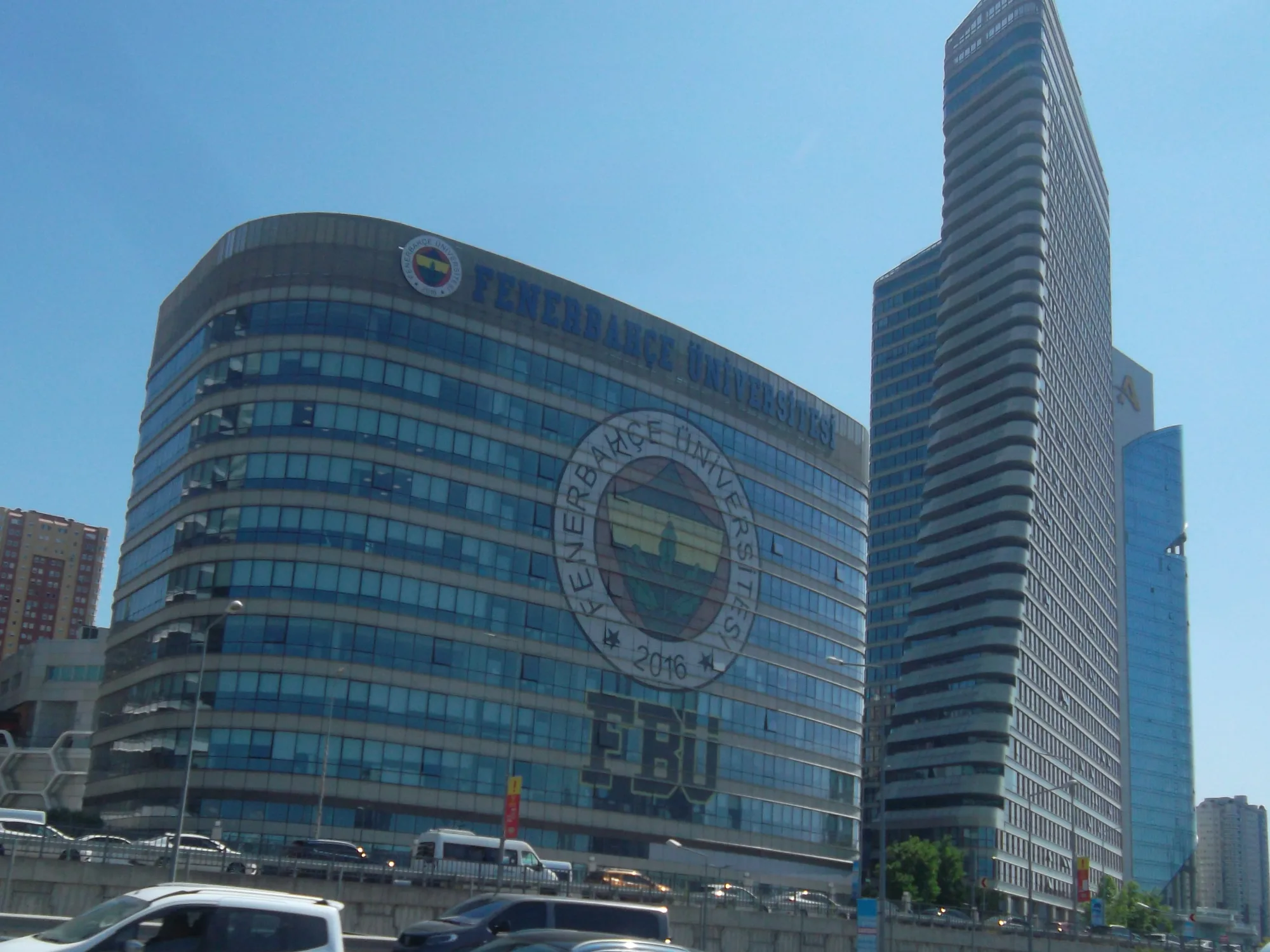
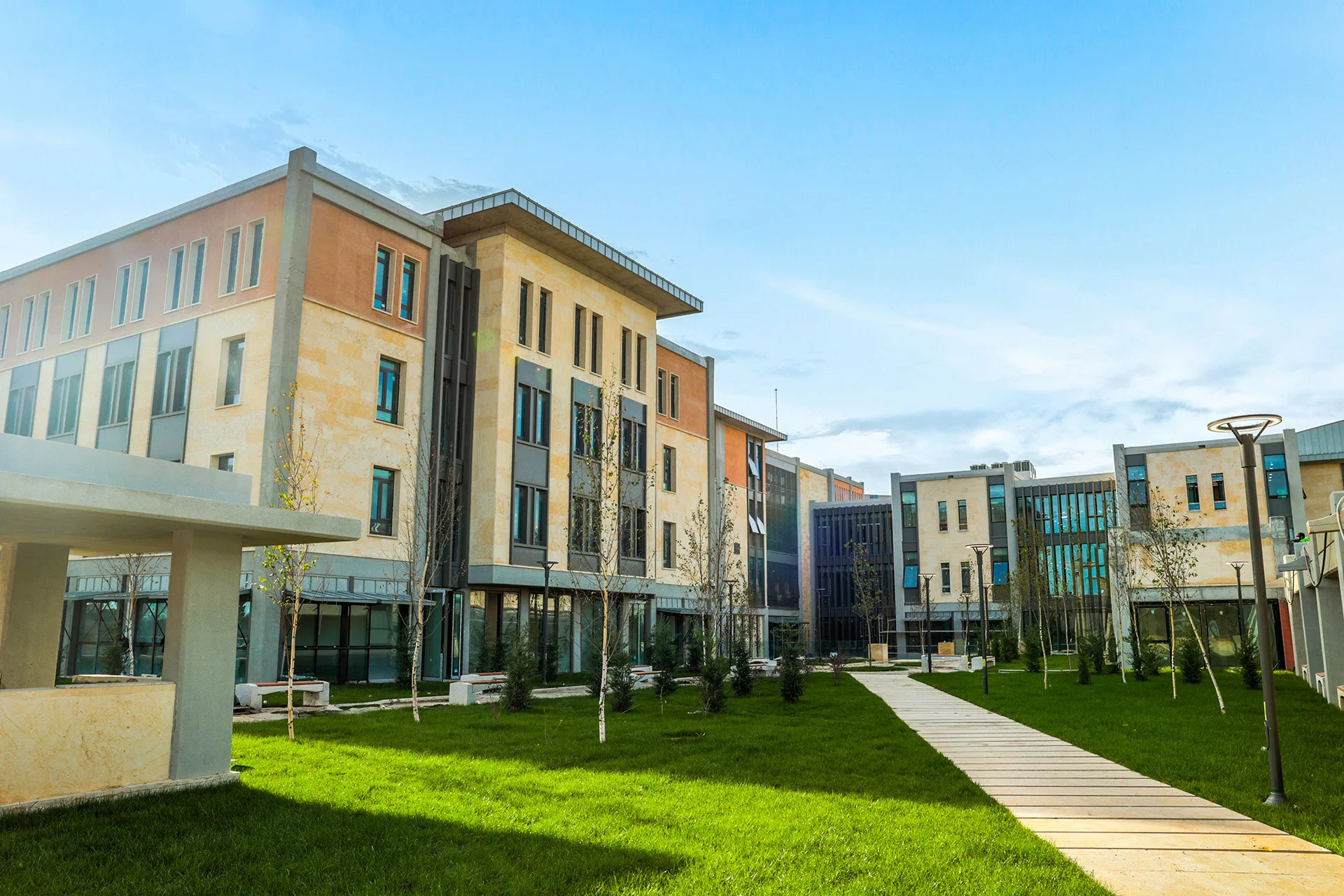
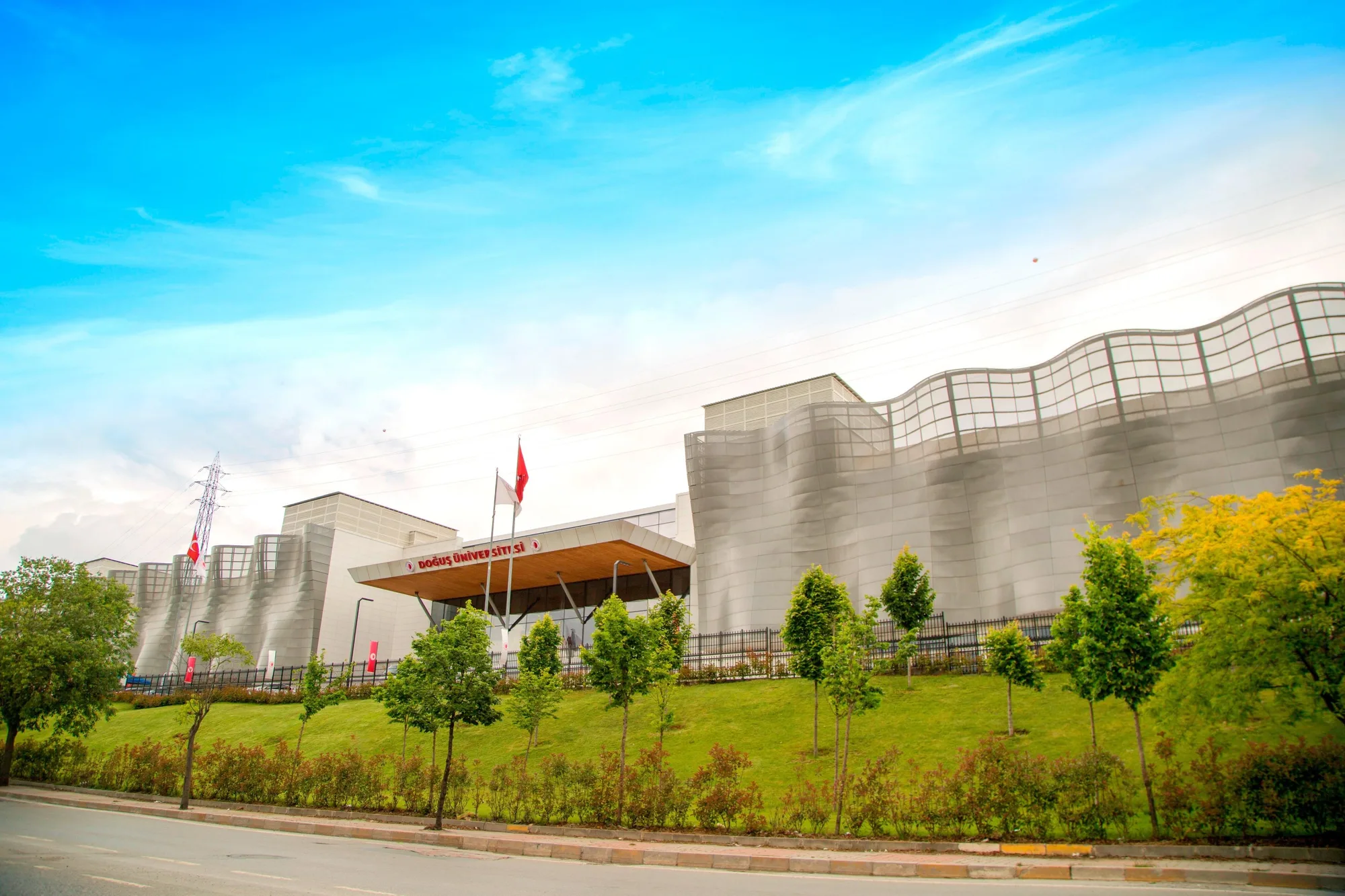
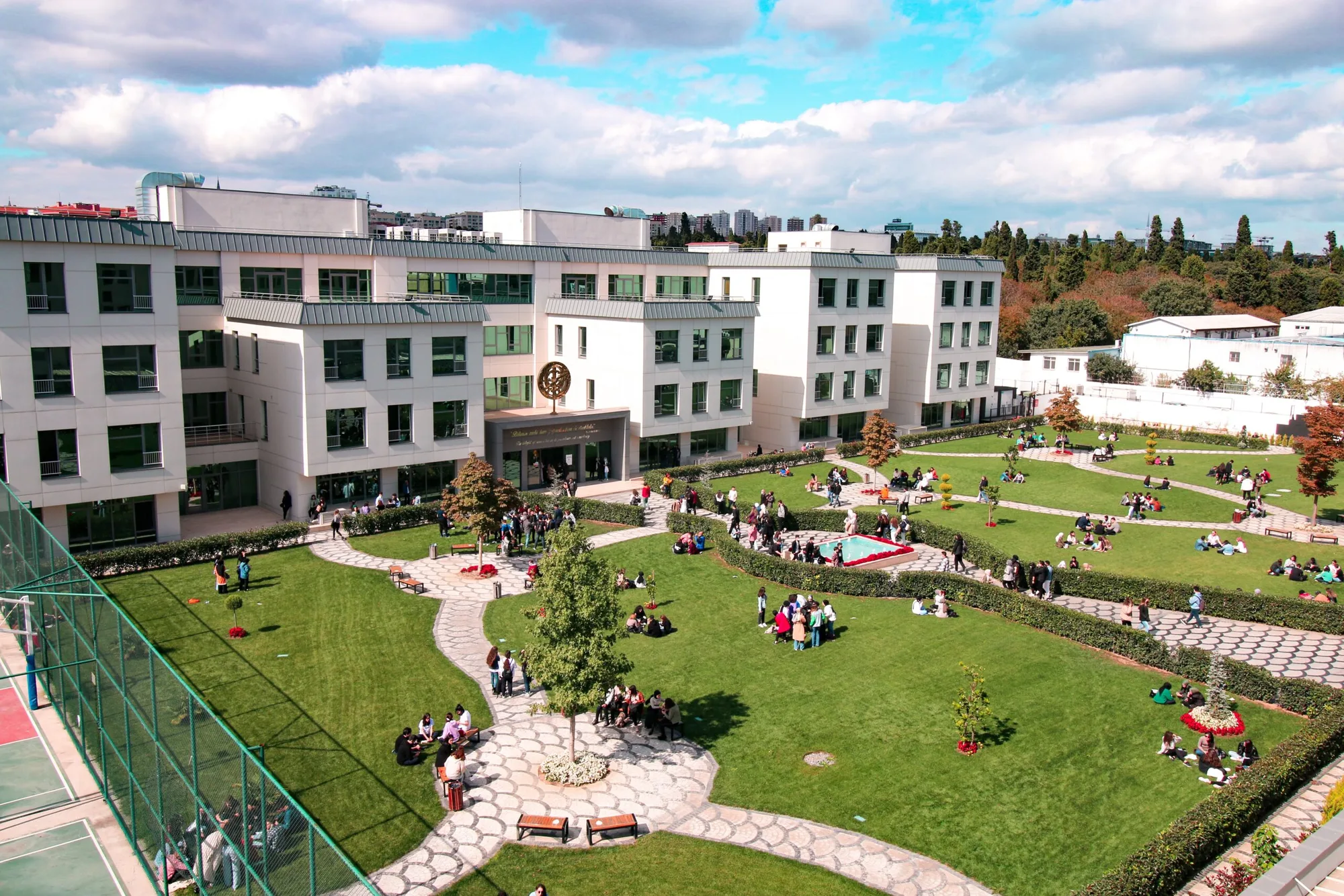
Four campuses — all on the European side.
Beylikdüzü: medicine, dentistry, arts and sciences, health sciences; this feels like the main campus.
Ayazağa / Maslak: engineering-architecture, communication, fine arts; close to the Şişli–Maslak business corridor.
Taksim: law and part of graduate study; city centre — good for internships, expensive for rent.
Hadımköy: economics and administrative sciences; farther from the centre, so count the commute.
The diploma is the same; daily life is not. Do not assume a medicine offer means a Taksim lifestyle.
Faculties. Medicine, Dentistry, Law, Engineering-Architecture, Economics and Administrative Sciences, Arts and Sciences, Communication, Fine Arts, Health Sciences. English-taught bachelor’s options include business, international relations, international trade, computer engineering, architecture, psychology, translation and communication. The programmes international applicants ask about most: medicine, dentistry, nursing, physiotherapy, psychology, computer / software engineering, business, law, gastronomy.
2026–2027 discounted international fees (per year, USD): medicine / dentistry 11,000; most bachelor’s 2,500; computer, software, English business and some health programmes 2,700; associate 1,600; health associate 1,900; master’s with thesis 2,100; clinical psychology 12,000; non-thesis master’s 1,600; distance non-thesis 1,400; PhD 4,500. Prep year is priced separately. These are discounted list fees, not the full tariff; get a written offer before enrolment.
Housing. There is a university dormitory at Ayazağa; capacity is limited. Most internationals rent a private dorm or flat in Beylikdüzü, Esenyurt, Kağıthane or Şişli. Istanbul rent can exceed tuition. Do not budget for fees alone.
Who it fits. Students who want Istanbul, accept the 11,000 USD band for medicine or dentistry, and need English business or engineering. Who it does not fit: applicants who rank research prestige first, want one compact campus, or expect cheap central rent. Beykent is large and spread out; quality varies by department. Decide on the programme, the campus and the 4–6 year total cost — not the brochure.
Education Level
4 Education Level • 202 Programs